
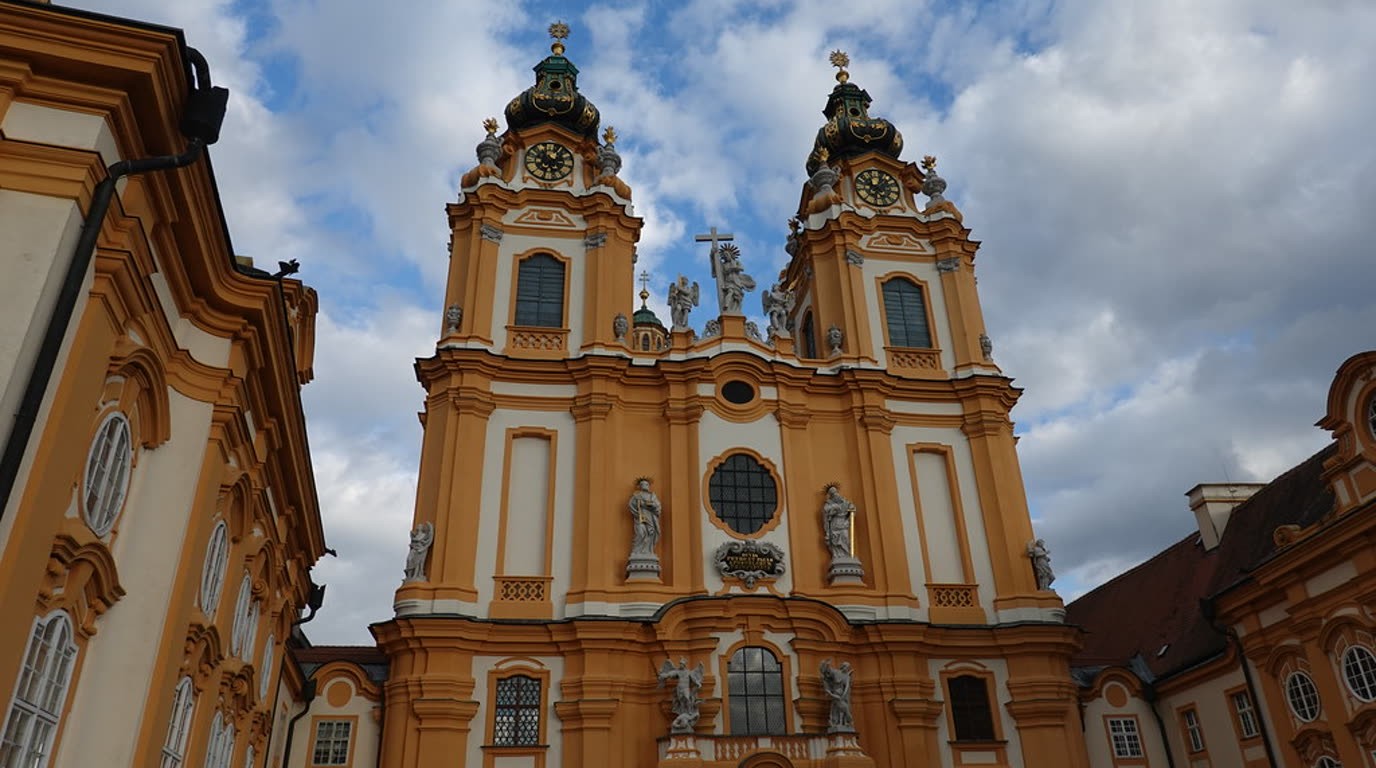
Wachau and the Danube Valley
The Wachau is a narrow stretch of the Danube between Melk and Krems, lined with terraced vineyards, apricot orchards and baroque abbeys. The villages lie close together, the roads along both banks are easy to follow and you can put the programme together as the mood takes you — an abbey in the morning, a winemaker's cellar in the afternoon. Four days are enough for an unhurried loop including the journey there and back; if you want tastings and a walk through the vineyards on top of that, add a fifth day. The valley is at its finest when the apricots are in blossom, then in July during the harvest, and again in autumn, when the taverns among the vines open in the wine villages.
Itinerary
From Prague to Krems
The easiest route runs via Jihlava, Znojmo and Horn — straightforward roads with no mountain sections, so at a normal pace you will arrive in the afternoon. Krems an der Donau is the largest town in the valley and together with neighbouring Stein forms its gateway; the old Steiner Tor gate leads into the cobbled Obere Landstraße, full of arcades and wine shops. Take the first day slowly, walk along the riverfront and leave the Wachau itself for the morning.
The north bank: Dürnstein, Weißenkirchen and Spitz
Heading upstream, the road hugs the Danube, squeezed between the water and the terraced vineyards. You will recognise Dürnstein by the blue-and-white tower of its abbey church and by the ruins of Kuenringerburg above it, where Richard the Lionheart was held prisoner — the climb up is short, but rocky and steep. In Weißenkirchen a fortified church stands above the vines, and in Spitz rises the Tausendeimerberg, a vineyard that according to legend yielded a thousand buckets of wine in a good year. You will spend the night at the upper end of the valley in Emmersdorf, with the floodlit Melk visible across the river.
Melk Abbey and the south bank to Aggstein
The morning belongs to Melk: the ticket covers the abbey church, the library, the museum in the imperial rooms and the abbey park, so allow the whole morning for the visit. You return along the south bank, past Schönbühel castle perched on a rock directly above the water. The turn-off to the Aggstein ruins is narrow, steep and full of hairpins — with a longer A-class or overcab motorhome it is wiser to park down in Aggsbach and walk up; from the castle terraces you look out over the entire bend of the river. There is no bridge across the Danube between Melk and Mautern, the crossing is handled by small reaction ferries (Rollfähren) — they charge a fare and may not run at all when the water is low or high, so do not count on them. The Stein–Mautern bridge at the lower end of the valley is no substitute either: structural damage has closed it to motor vehicles long term and cars are routed over the St. Pöltner Brücke (B37) in Krems. You spend the night on the south bank at Wachau-Camping Rossatz, opposite Dürnstein.
Göttweig Abbey and the journey home
The last stop is the Benedictine abbey of Göttweig, on a hill above the Danube south of Krems. After the fire of 1718 the baroque complex was designed by the imperial architect Johann Lucas von Hildebrandt, and the terrace of the abbey restaurant looks out across the whole valley. It is the ideal place for a coffee and a last look around before you turn north. The way back follows the same route through Krems, Horn and Znojmo, and you will manage it in the course of the afternoon.
Practical motorhome information
Up to 3.5 t, which covers most motorhomes, an Austrian motorway vignette is all you need. According to the ASFINAG price list valid from December 2025, a ten-day vignette costs €12.80, a two-month one €32.00 and an annual one €106.80 including VAT. Watch out for one pitfall of the digital vignette: the one-day and ten-day versions are valid immediately, while the longer ones only take effect on the 18th day after an online purchase, so you cannot buy an annual vignette the day before you leave. Vehicles over 3.5 t do not use the Austrian vignette at all — they need a GO-Box on-board unit and pay distance-based tolls per kilometre driven (go-maut.at). There is no section with a special toll on the route via Znojmo and Horn to the Wachau, neither a toll tunnel nor a toll mountain road. That leaves only admission to the sights; the Aggstein ruins charge €10.50 per adult at the gate.
Donaucamping Emmersdorf, Emmersdorf an der Donau — directly across the river from Melk, open 1 April to 31 October, electricity, water and a chemical toilet disposal point · Wachau-Camping Rossatz, Rossatzbach (municipality of Rossatz-Arnsdorf) — on the south bank opposite Dürnstein, CEE hook-ups and a disposal point; the owner asks for a booking in advance and may turn you away if you arrive unannounced · ÖAMTC Donaupark Camping Krems, Krems an der Donau — on Yachthafenstraße by the Danube marina, open roughly from April to the end of October, within walking distance of the old town
Do not count on wild camping in Lower Austria — the wine villages are densely built up and parking is clearly signposted everywhere. You cannot drive into the historic centre of Dürnstein in a motorhome at all, the lanes are far too narrow for it; you leave the vehicle in the car park before the village and walk in. Aggsbach Markt, for example, has parking reserved for motorhomes, and some wineries around Krems and Mautern offer a place right by the cellar. In season the spaces fill up by early afternoon, so it pays to arrive early or to call ahead.
Donaucamping Emmersdorf opposite Melk and Wachau-Camping Rossatz on the south bank both have a chemical toilet disposal point and drinking water; at the lower end of the valley ÖAMTC Donaupark Camping in Krems does the same job. All three are seasonal and closed over the winter, though — the opening dates are listed with the campsites above. Outside the season do not expect a reliable service point in the Wachau, and fill your tank before you drop down into the valley.
Stops along the route
You may also like
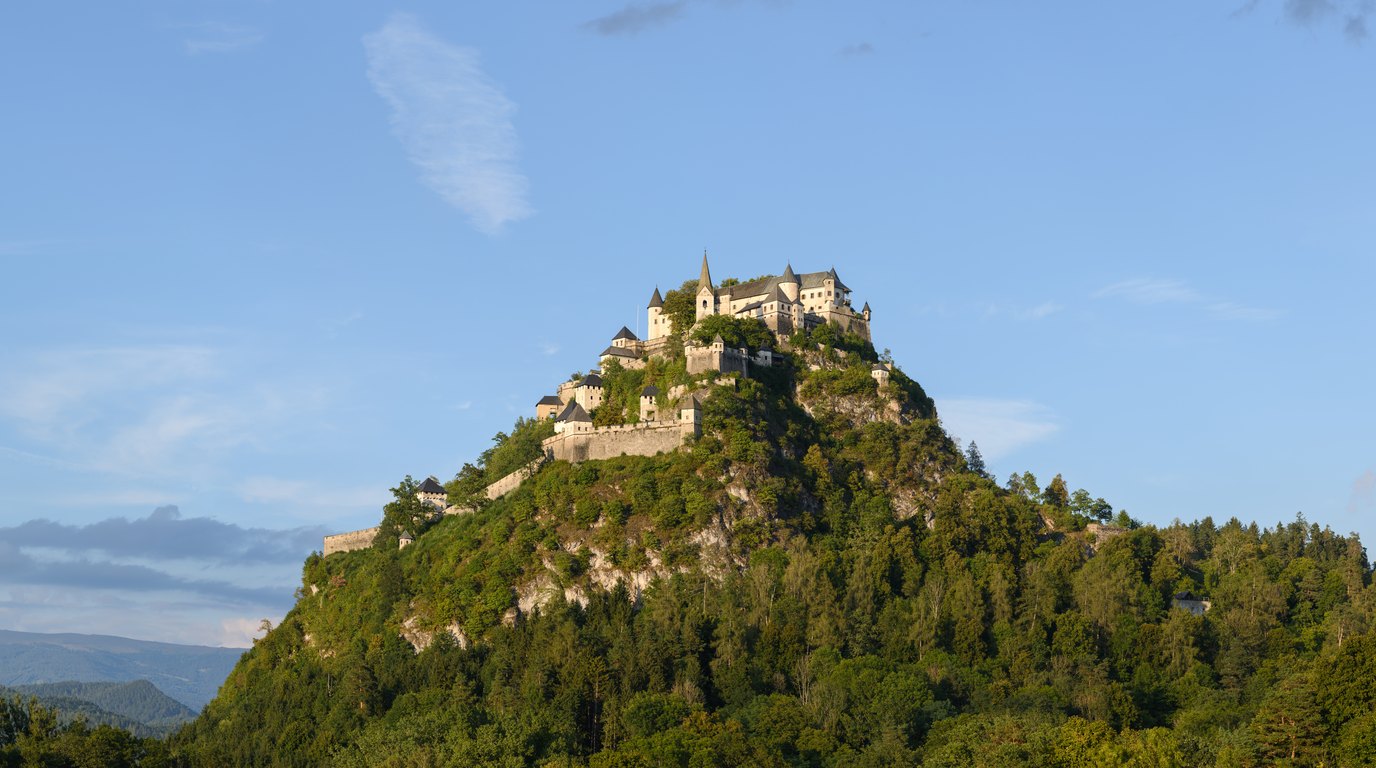
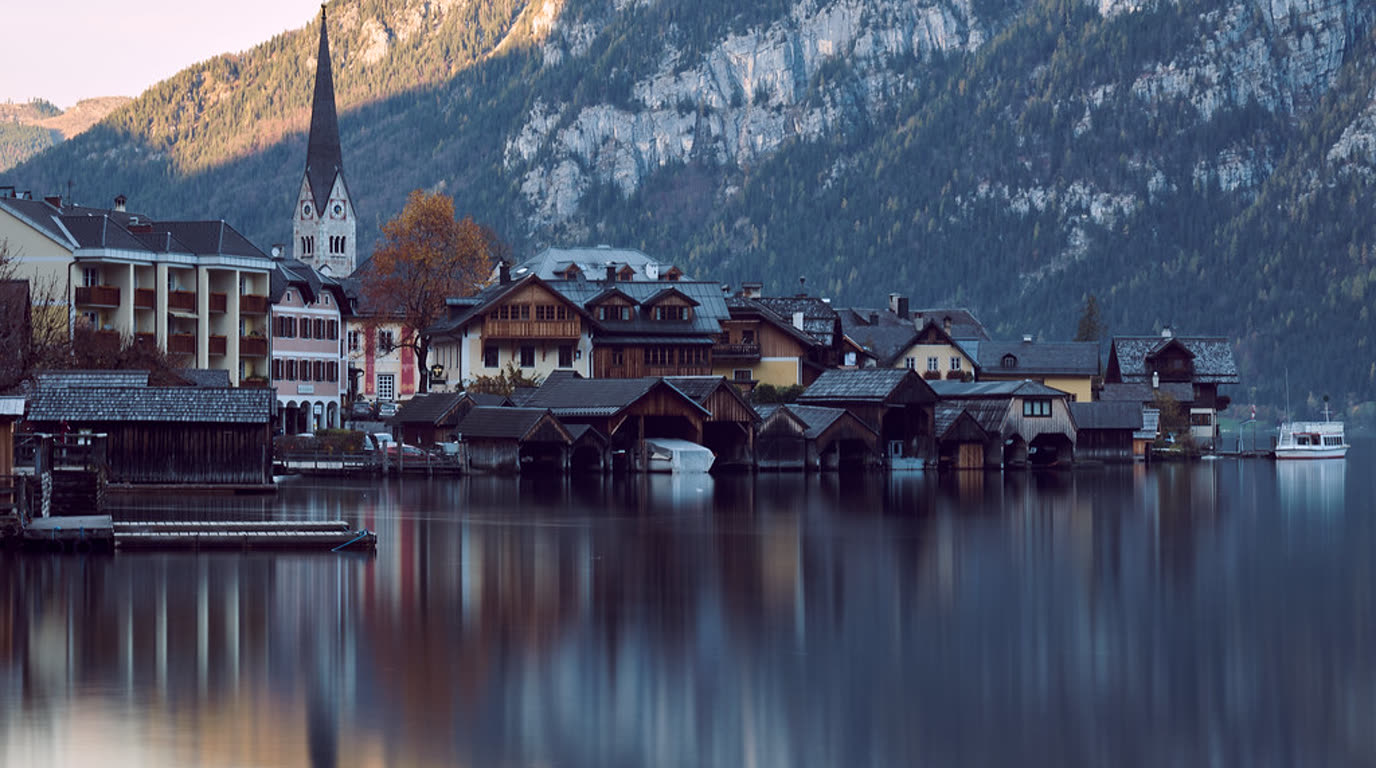
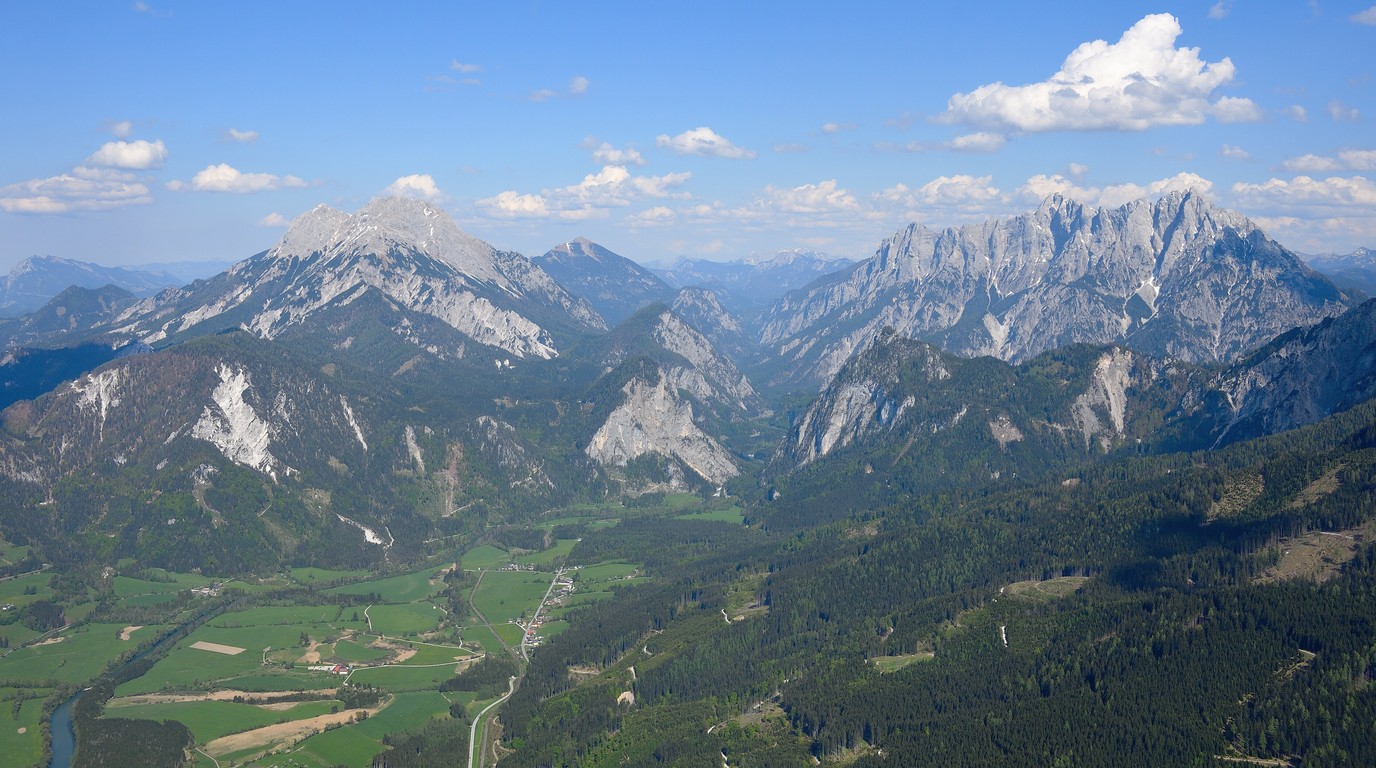
The map and GPX contain separate planning waypoints, not a driving route. Follow the itinerary for access to attractions and campsites.
Adria Compact
The Wachau is driven on narrow roads squeezed between the river and the vineyards, and the way up to Aggstein is a series of hairpins where every centimetre of length shows — the Adria Compact is a compact low-profile motorhome that gets through where a longer A-class starts reversing. It also tends to stay under 3.5 t, so an ordinary motorway vignette is enough and you need not worry about a GO-Box.
Get road trip ideas by email
Leave us your email and we will send motorhome inspiration and stock updates.
Adria Karavany · https://www.adriakaravany.cz/en/vylety/wachau-a-podunaji/