
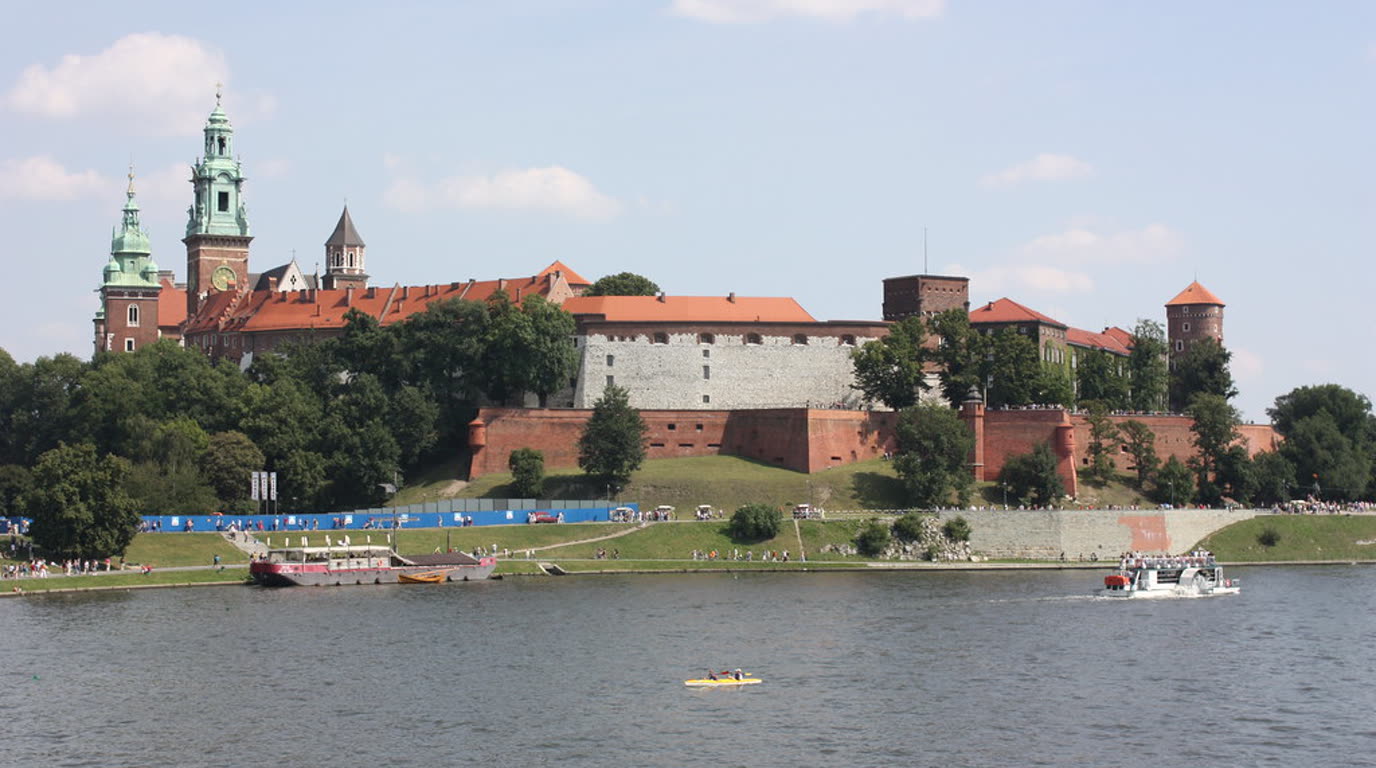
Kraków and Lesser Poland — from Wawel to the Tatras
A week in Lesser Poland ties royal Kraków, the salt chambers under Wieliczka and the Tatra peaks into a single route with short drives. You move between five bases, yet you never spend a whole day in the cab between stops — everything that matters lies in a ring around Kraków. Alongside the UNESCO sites come the limestone Prądnik valley with its caves and rock pinnacles, a wooden raft ride through the Dunajec gorge and an evening in Kazimierz, where you can eat properly. The season runs from May to October: the rafts operate from April to the end of October, and the Tatra car parks and electric buses from spring to the end of November.
Itinerary
From Prague to the Prądnik valley
The drive via Ostrava and Katowice on the A4 motorway takes a single day, and the final stretch turns you off the motorway north of Kraków into the limestone valley of the Prądnik. You set up base near Sułoszowa, a short walk from both Pieskowa Skała castle and the edge of Ojców National Park. In the evening a stroll along the stream is all you need to let the journey settle.
Ojców National Park and Pieskowa Skała
Poland's smallest national park is a limestone canyon full of caves, rock pinnacles and wooden villas built in Swiss spa style. In the morning you walk out to Hercules' Club and Łokietek's Cave; in the afternoon you tour the Renaissance castle of Pieskowa Skała, which is run by the Wawel museum — check the opening hours and the exhibition programme in advance. The road through the valley is narrow and there are few large parking spaces along it, so with a long vehicle work out beforehand where you can turn around. In the evening you move to the edge of Kraków.
Kraków: Wawel, the Rynek and Kazimierz
You head into the centre from the campsite by public transport — the historic core is pedestrianised and a motorhome will be no use to you at Wawel. On the castle hill you choose between the Royal Private Apartments, the Crown Treasury and the cathedral; tickets for the individual routes have timed slots and sell out in season, so buy them online. In the afternoon you cross Rynek Główny with the Cloth Hall and St Mary's Basilica, and you end the evening in Kazimierz — from pierogi to Jewish cooking, this is the best food of the whole trip.
The Wieliczka salt mine and on to the Pieniny
The underground tourist route runs through chambers hewn out of salt and past brine lakes to St Kinga's Chapel; it descends to a depth of a hundred and thirty-five metres and takes two to three hours to walk. Down below it stays at seventeen to eighteen degrees, so a fleece is worth packing even in August, and there are a great many stairs. Visitors are let down into the mine in groups at set times, so sort your ticket out before you get there. In the afternoon you move south into the Pieniny and spend the night by the Dunajec in Krościenko.
Rafting through the Dunajec gorge
The wooden rafts set off from the landing at Sromowce Wyżne-Kąty and float through the gorge where the river has cut its way between limestone walls below the Trzy Korony massif; it takes roughly two and a quarter hours to Szczawnica. They run daily from April to the end of October, except on Easter Sunday and Corpus Christi. Since your vehicle stays behind at the start, arrange the journey back when you buy your ticket — there are packages that include the return trip and the cable car up Palenica. If you still have the energy, climb to the Trzy Korony viewing platform in the afternoon; in the evening you drive under the Tatras to Zakopane.
Morskie Oko and Zakopane
Set off early — the car park at Palenica Białczańska has to be booked online in advance, spaces are few and vehicles longer than eight metres are not allowed in. A surfaced road then leads to the lake, and you can cover it on foot, by horse-drawn cart or on a national park electric bus; at the top a mountain lake lies beneath the walls of Mnich and Rysy. On top of the parking fee there is also an entrance fee for the Tatra National Park. In the afternoon you stop on Krupówki for some oscypek cheese and drive on to Oświęcim for the last night.
Auschwitz-Birkenau and the journey home
The visit starts in the former Auschwitz I camp and continues by shuttle bus to Birkenau; set aside half a day for both parts. Entry is free, but only with a named ticket booked online — places sell out in season, so secure your date at least a week ahead and bring photo ID. The museum does not recommend the visit for children under fourteen, so with younger children rearrange the day: instead of the camp you can drive to the Energylandia amusement park in Zator. In the afternoon you head home via Katowice and Ostrava.
Practical motorhome information
Up to 3.5 t: Poland's state motorways carry no vignette and no toll for vehicles up to 3.5 t; you pay only on the concession sections. On this route that means the A4 between Katowice and Kraków, with toll gates at Mysłowice and Balice — a two-axle vehicle falls into the first category and pays 18 zł at each gate, so 36 zł for the whole section, payable by card, in cash or through a mobile app. Over 3.5 t: on the tolled network of Polish motorways and expressways you need to register in the e-TOLL system and have a tracking device or the mobile app before you drive in. The A4 Katowice–Kraków section, however, is not covered by e-TOLL, so heavier vehicles pay at the gates as well: a vehicle with twin rear wheels or a trailer falls into the second category at 32 zł per gate, and multi-axle combinations into the fourth at 55 zł. The main attractions charge fees of their own — the car park below Morskie Oko works out at roughly 36 to 75 zł for cars depending on the season and how far ahead you book (longer vehicles and buses have their own rate), entry to the Tatra National Park costs 11 zł and 5.50 zł reduced, and a raft ticket through the Dunajec gorge to Szczawnica is 111 zł, or 117 zł in high season.
Camping Nasza Dolina, Sułoszowa (ul. Krakowska 148) — a fenced site right by Ojców National Park and Pieskowa Skała castle · Camping Smok, Kraków-Zwierzyniec (ul. Kamedulska 18) — on the edge of Kraków with a bus stop right by the entrance, but they do not take individual bookings · Pole namiotowe Cypel, Krościenko nad Dunajcem (ul. Zdrojowa 39c) — on the bank of the Dunajec below the Pieniny, with its own line for motorhomes in the price list · Camping Pod Krokwią, Zakopane (ul. Żeromskiego) — open all year, the motorhome fee depends on the length of the vehicle · Camping Centrum Dialogu i Modlitwy, Oświęcim (ul. M. Kolbego 1) — a fenced and guarded site, and you can walk to the former Auschwitz I camp
Sleeping in your vehicle outside campsites and designated pitches is not tolerated in Poland and is banned in national parks — at the car park below Morskie Oko the operator expressly does not allow overnight stays in vehicles. Kraków operates the Strefa Czystego Transportu low-emission zone; the conditions keep evolving, so check the current situation on the city's website before you set off. Along this route a campsite combines well with public transport: both Kraków and Zakopane have cheap and frequent services from the outskirts into the centre, so your vehicle can stay parked all day.
The most convenient service is at Camping Nasza Dolina in Sułoszowa — selected pitches have a water and waste connection right at the vehicle. Camping Pod Krokwią in Zakopane sells a motorhome service, meaning emptying and refilling, for 70 zł even without an overnight stay. The Centrum Dialogu i Modlitwy site in Oświęcim has an outdoor tap intended specifically for motorhomes. Empty chemical toilets only at designated points; campsites in the mountain villages below the Tatras and in the Pieniny are set up for it, the national park car parks are not.
Stops along the route
You may also like
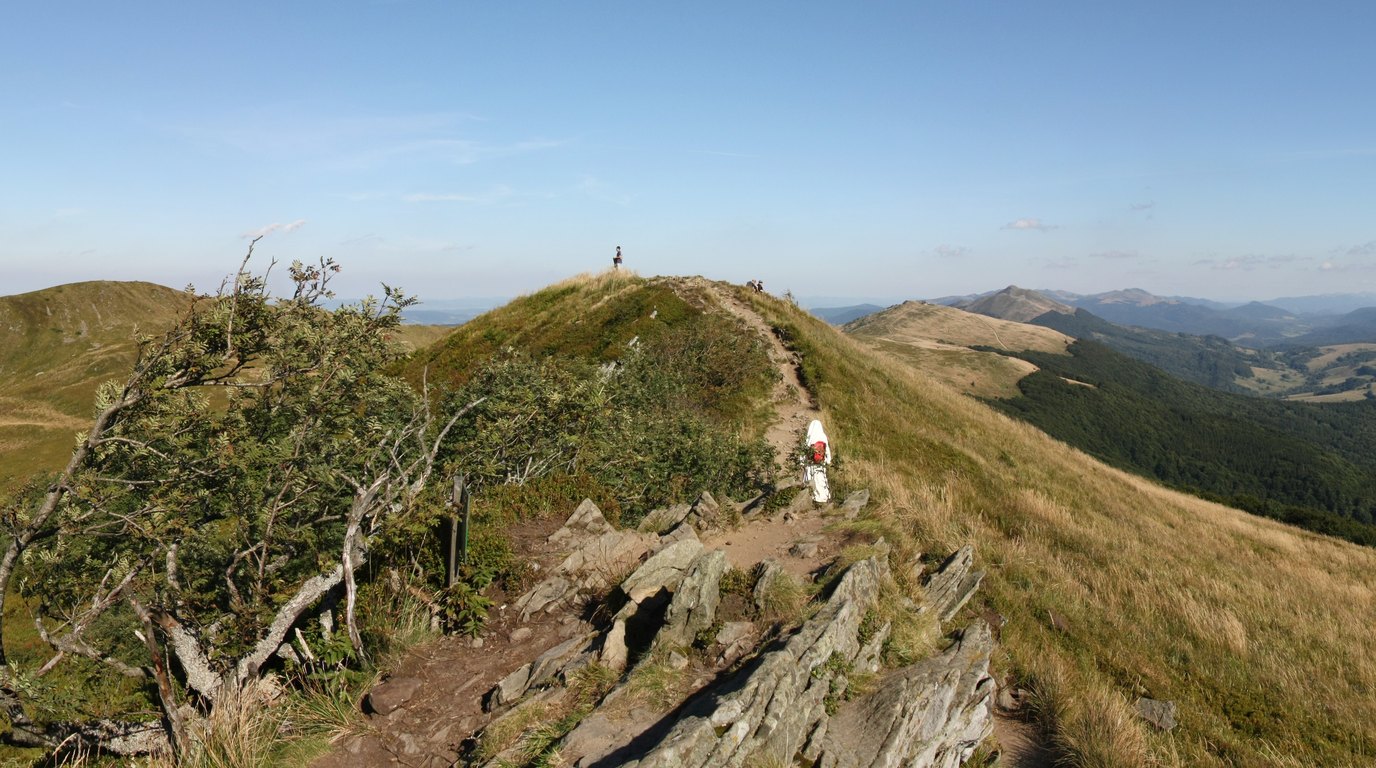
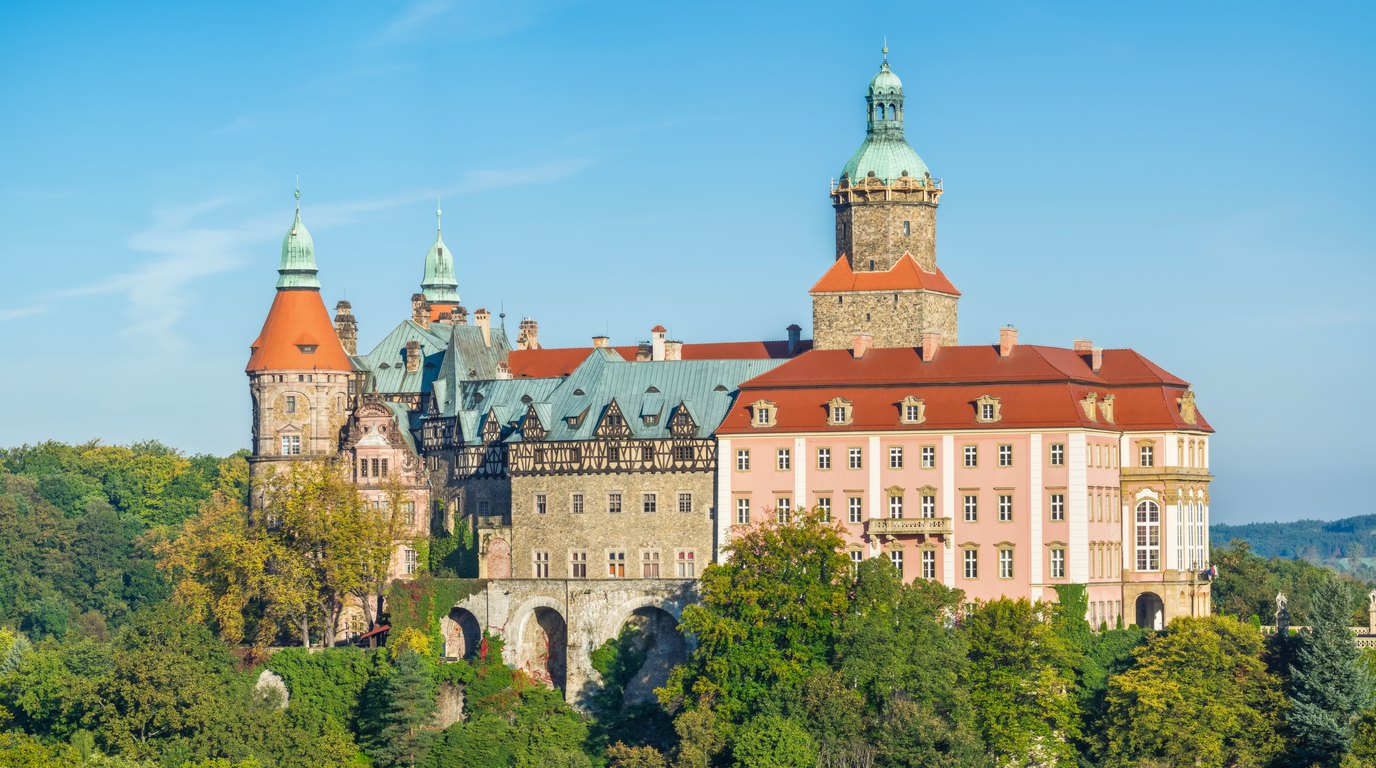
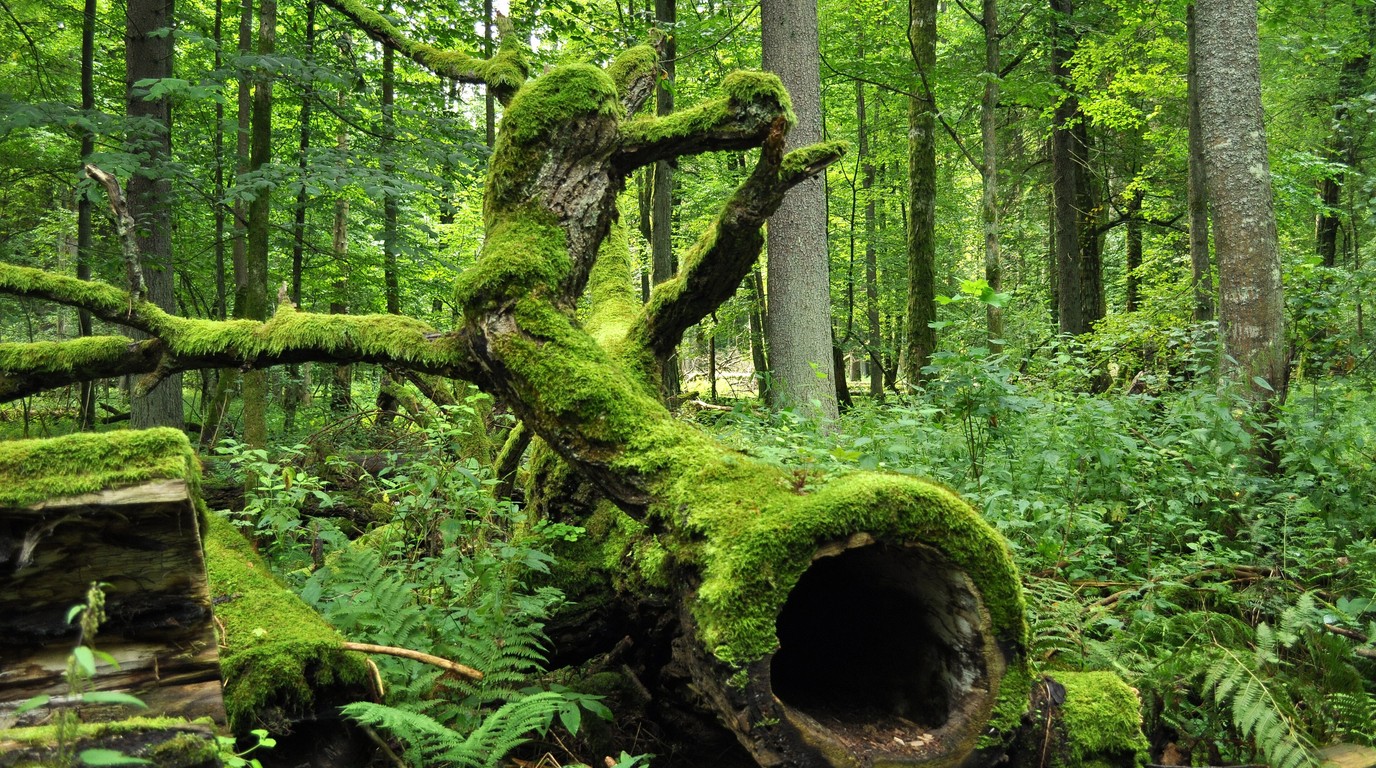
The map and GPX contain separate planning waypoints, not a driving route. Follow the itinerary for access to attractions and campsites.
Adria Compact
The short Prądnik valley with its narrow road, the lanes of Zakopane and the eight-metre limit at the Morskie Oko car park are three places where every extra centimetre hurts — the Compact gets through where a long A-class simply will not be let in. And it remains a two-axle vehicle under 3.5 t without twin rear wheels, so at the A4 toll gates you pay the cheapest category.
Get road trip ideas by email
Leave us your email and we will send motorhome inspiration and stock updates.
Adria Karavany · https://www.adriakaravany.cz/en/vylety/krakov-a-malopolsko/