
Kvarner and the islands of Krk, Cres and Lošinj
Kvarner links the spa town of Opatija, the port of Rijeka and the islands of Krk, Cres and Lošinj into one arc you can drive in a motorhome. A bridge takes you across to Krk and short ferries carry you onwards, so nine days bring together the promenades of an Austro-Hungarian resort, the vineyards above the sea at Vrbnik, stone-built Osor with its swing bridge and the pine-shaded bays of Lošinj. It is a route for families who want swimming and something more than just a beach — and you stay within sight of the sea the whole way.
Itinerary
Through Austria heading south
The easiest approach is to set off early and split the drive into two parts — doing the whole transfer in one go is needless hard work in a motorhome. The route runs through Austria and Slovenia, both of which require a vignette, so buy them before you leave home. Styria or a spot just beyond the Slovenian border makes a good overnight stop; you then reach the coast the next morning feeling fresh.
Arrival on the Kvarner and Opatija
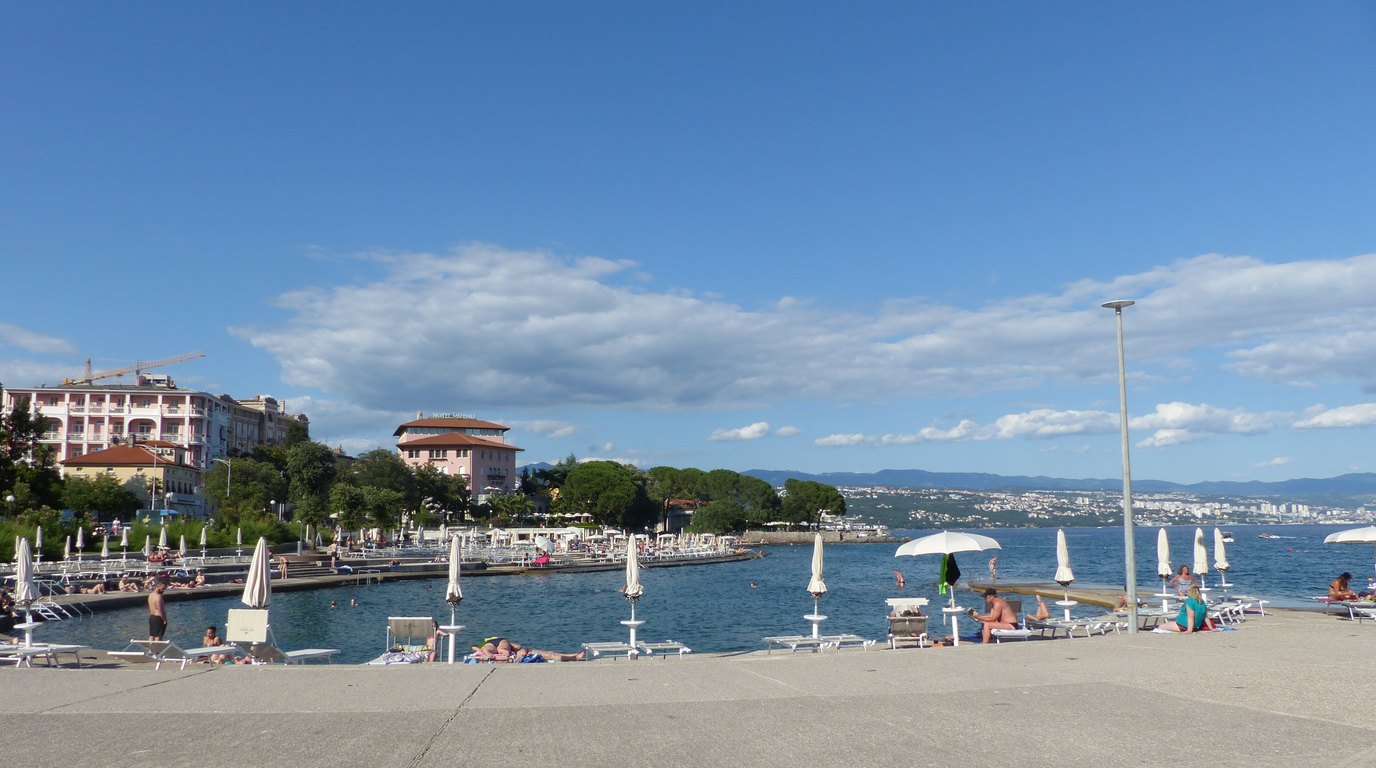
The descent from the mountains to the sea is one of the finest moments of the whole trip — within minutes the pine-covered slopes turn into coastline. Save the afternoon for Opatija: an Austro-Hungarian spa town of turn-of-the-century villas, with the Lungomare promenade running the length of the riviera from Volosko through Opatija to Lovran. Walk at least the stretch out to the Maiden with the Seagull statue, have a coffee on a terrace and save your first swim for tomorrow.
Rijeka, Trsat Castle and the crossing to Krk
Rijeka is a working port rather than a picture postcard, and that is precisely why it is worth a stop — the Korzo, the covered market hall and a lively city with no tourist gloss. Above it, on a rock over the Rječina canyon, stands Trsat Castle, built by the Frankopans and restored in neo-Gothic style by Marshal Nugent in the 19th century; from the courtyard the whole bay lies at your feet. In the afternoon cross the bridge to the island of Krk and settle into one of the campsites near the town of Krk.
Vrbnik and Baška
Vrbnik sits on a rocky spur above the sea and is home to the white žlahtina wine you will not taste anywhere else. Do not drive a motorhome into the historic centre, though — the lanes are extremely narrow, the narrowest of them, Klančić, barely lets a single person through, and the only sensible option is to leave the vehicle in the car park above the town and walk down. In the afternoon head to Baška in the south of the island, where the long pebble beach of Vela plaža waits, hemmed in by bare hills. In neighbouring Jurandvor stands the church of St Lucy, where the Baška Tablet was found, one of the oldest Glagolitic monuments.
Ferry to Cres and on to Beli
The Jadrolinija ferry sails from Valbiska on the west coast of Krk to Merag on Cres and the crossing takes about twenty-five minutes. In July and August a reservation for a motorhome is practically essential — without one you wait for several departures and half the day is gone. In the north of Cres, turn off to Beli: the narrow hairpin road is no place for long A-class vehicles and the descent to the beach below the village is genuinely steep, so leave the vehicle up in the village and walk down. Griffon vultures nest on the cliffs nearby, and they are what most visitors come for.
The town of Cres, Lubenice and Osor
The morning belongs to the town of Cres — a Venetian port with a loggia, a clock tower and cafés right at the water's edge. If you are confident on a narrow road, you can drive up to Lubenice, a stone village on the ridge above the sea with a view down to Sveti Ivan beach far below. End the day in Osor at the southern tip of the island: an ancient town beside the Kavada channel, dug by the Romans, and the swing bridge to Lošinj, which opens several times a day for boats. Traffic stops while it does, so treat the crossing as a short break rather than a smooth drive.
Mali Lošinj and Veli Lošinj
Compared with rocky Cres, Lošinj is green — the pine groves around Čikat bay reach almost to the water and cast the shade you will appreciate in August. In Mali Lošinj the Apoxyomenos Museum is well worth a visit for its ancient bronze statue raised from the sea; otherwise this is a town for a slow day: the harbour, the promenade, an ice cream. In the afternoon move on to Veli Lošinj, where the church of St Anthony holds one of the richest collections of Italian masters on the Kvarner islands, and give the rest of the day to the bays.
Back to the mainland and Učka Nature Park
From Porozina in the north of Cres a ferry runs to Brestova on the Istrian side and the crossing is shorter still than the first one. From there drive up into Učka Nature Park — from the visitor centre at Poklon you can walk up to the Vojak summit, which on a clear day looks out over the whole Kvarner and part of the Alps. In the afternoon point the vehicle north and split the return into two stages, just as you did on the way out; a night in Slovenia or Austria will spare you a lot of stress on the final day.
The journey home
The last stage runs back across the Alps and is mostly steady motorway driving. Plan your lunch away from the motorway services — both in Austria and in southern Moravia there are plenty of places along the route where you can park a motorhome. Once home, it pays to hose the vehicle down straight away and let it dry while the salt water is still fresh on the chassis.
Practical motorhome information
Up to 3.5 t: in Austria a ten-day vignette at €12.80 is enough (ASFINAG price list valid from December 2025) — you can buy it online even at the last minute, because it takes effect immediately, whereas the two-month and annual versions bought in the e-shop only start on the eighteenth day due to the statutory withdrawal period. Slovenia uses an e-vignette and the classification matters: a motorhome up to 3.5 t that is more than 1.3 m high above the front axle falls into class 2B, not 2A — a weekly vignette costs €32.00 and a monthly one €64.10 (DARS). Croatia has no vignette; toll is paid at the gates according to the section driven, and a two-axle vehicle over 1.90 m high falls into a more expensive category than a car (HAC). Over 3.5 t: an on-board GO-Box unit in Austria, DarsGo in Slovenia, and category III or IV in Croatia depending on the number of axles. Paid attractions on the route: the Jadrolinija ferries Valbiska–Merag and Brestova–Porozina are charged separately and a motorhome always falls into the band for vehicles over 5 m long or over 2 m high — reckon on roughly €30 for the vehicle and just under €5 per person for each crossing, so both crossings come to about €100 for a family of four. The bridge to Krk has been toll-free since June 2020. The Učka tunnel, if you use it on the way back through Istria, is a toll section of the Istrian Y with a toll booth; a motorhome over 1.90 m high falls into category II there, and the shortest run to the Vranja exit costs roughly €6, rising the further you drive along the Y. Check the current rates for your particular vehicle before you set off.
Valamar Camping Ježevac, Krk (island of Krk) · Krk Premium Camping Resort, Krk · Valamar Camping Baška, Baška · Škrila Sunny Camping, Stara Baška · Camp Kovačine, Cres · Camping Slatina, Martinšćica on Cres · Camp Bijar, Osor · Camp Čikat, Mali Lošinj · Poljana Camping Village Resort, Mali Lošinj
In Croatia you stay overnight exclusively at campsites and official motorhome sites; the law does not allow wild camping outside them and on the islands it is enforced. The season here has sharp edges — some campsites do not open until the end of April and close in the first half of October, so outside the main season check your dates directly with the campsite. In July and August, book your pitch well in advance; the ideal window for this route is May to June and September, when the sea is already warm, the campsites half empty and prices considerably lower.
Service points outside campsites are scarce on the islands, so deal with fresh water and the chemical toilet wherever you are staying. One handy spot is Camp Bijar in Osor — it lies exactly on the boundary between Cres and Lošinj, so it is worth planning a night there and leaving in the morning with a full tank. Tap water on both Cres and Lošinj is drinkable and comes from Lake Vrana on Cres, which is the only source of fresh water for both islands.
Stops along the route
You may also like
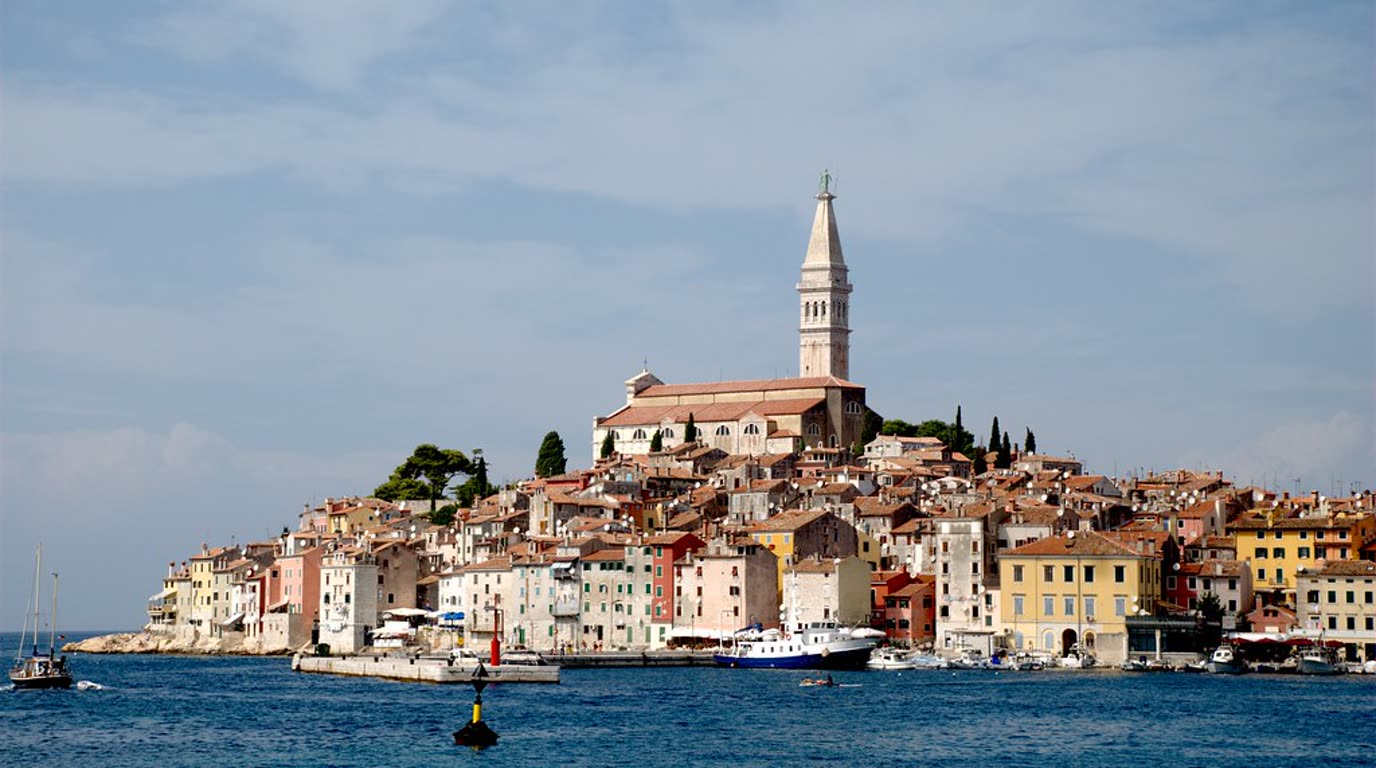
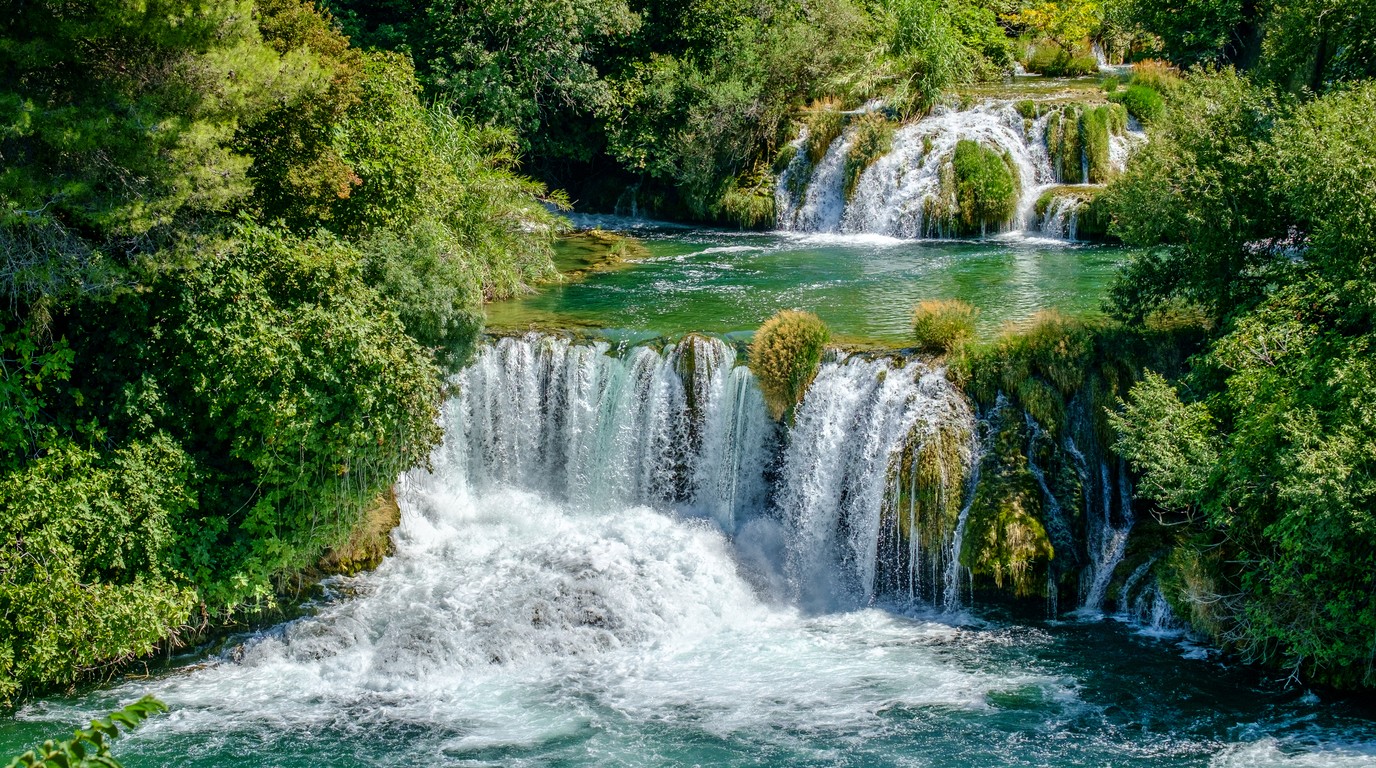
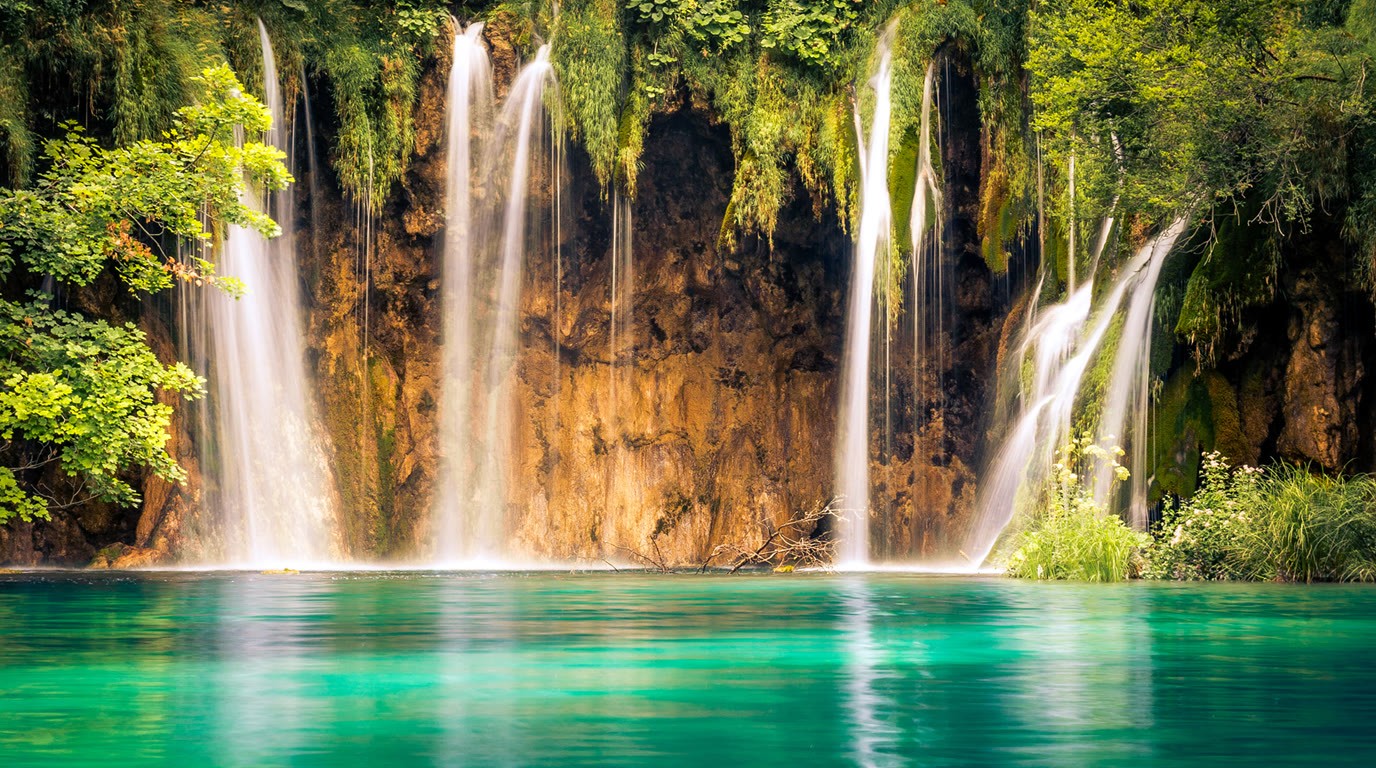
The map and GPX contain separate planning waypoints, not a driving route. Follow the itinerary for access to attractions and campsites.
Adria Compact
The Adria Compact is 2.12 m wide, and that is exactly what this route calls for — the hairpins down to Beli, the climb to Lubenice and the lanes of the coastal towns forgive a slim body far more readily than a wide one. At the same time it is a full semi-integrated motorhome with four travel seats and berths for the family, so after a whole day of swimming you are not sleeping in a converted van.
Get road trip ideas by email
Leave us your email and we will send motorhome inspiration and stock updates.
Adria Karavany · https://www.adriakaravany.cz/en/vylety/kvarner-a-ostrovy-krk-cres-losinj/