
Basque Country, Cantabria and the Picos de Europa
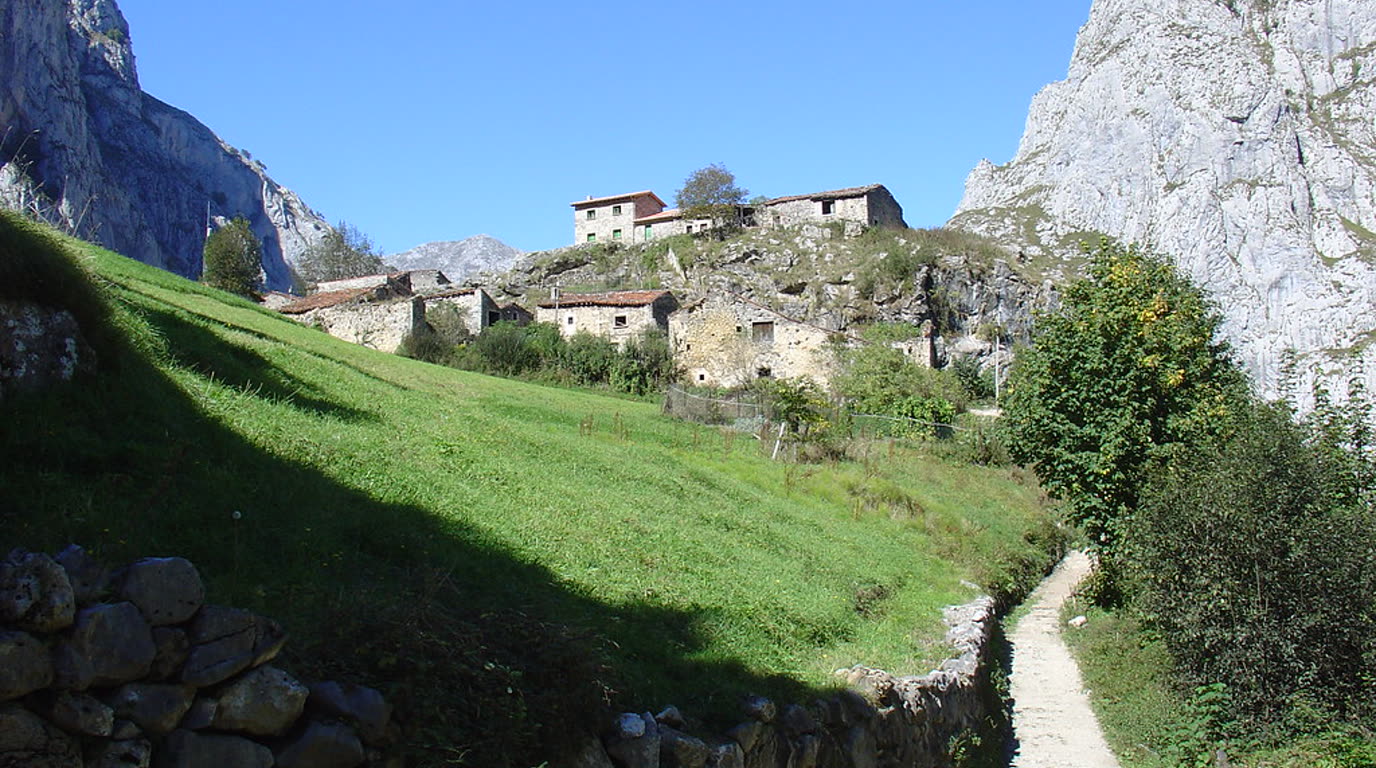
Green northern Spain lines up the Bay of Biscay coast, Basque cooking and the limestone peaks of the Picos de Europa in one strip. From San Sebastián you keep heading west along the shore — through Bilbao, the islet of Gaztelugatxe and stone-built Santillana del Mar to the Asturian beaches around Llanes, from where the mountains are a few dozen minutes away. Summers here are markedly cooler and damper than in the south of the peninsula, which in a motorhome is rather an advantage. Do bear in mind, though, that the drive out and back swallows almost half of the days, and that in high season you reach the Covadonga lakes by shuttle bus, not in your own vehicle.
Itinerary
Across Germany into France
The first two days are pure transit — from Prague via Nuremberg and Stuttgart into Alsace and on into Burgundy. The route follows motorways with no serious climbs, so you can keep an easy pace and park up while it is still light. In summer it pays to have your overnight stop arranged in advance; French aires tend to be full by early evening.
Through France to the Atlantic and over the border into the Basque Country
Day three leads through the middle of France towards Bordeaux, day four through the pine forests of the Landes to the border at Irún. Once you cross the river Bidasoa, the landscape turns within minutes into green hills dropping straight into the sea. By the evening of day four you are parked above San Sebastián.
San Sebastián and La Concha bay
Leave the vehicle at the campsite on Monte Igueldo and ride city bus 16 down into town — you will not get into the centre in a motorhome, the underground car parks have height limits and the surrounding streets are restricted. The half-moon of La Concha beach can be walked end to end along the promenade, held at either end by the hills of Igueldo and Urgull. The evening belongs to pintxos in the old quarter: you move from bar to bar and order one piece at a time.
Getaria, Zumaia and the flysch cliffs
The coast road west passes Zarautz with its long sandy beach and the fishing town of Getaria, birthplace of the navigator Elcano. At Zumaia the geopark and its flysch begin — layers of rock standing almost on end, visible straight from Itzurun beach at low tide. Parking here is more forgiving than in the towns, though in season the spaces fill up by mid-morning.
Bilbao and the Guggenheim Museum
Park the motorhome at the official Kobetamendi site above the city; from there bus 58 takes you into the centre in about a quarter of an hour. The titanium curves of the Guggenheim look different from every side, so allow time for a lap around the building and for the Nervión waterfront. The museum is usually closed on Mondays — check that against your travel dates beforehand.
Gaztelugatxe and the Urdaibai estuary
The islet of San Juan de Gaztelugatxe is joined to the mainland by a stone bridge, and 241 steps lead up to the hermitage at the top, so this is not a one-photo stop. Because stabilisation work is still under way, the islet can only be entered between 8am and 8pm, so check the current state of access before you travel. In high season you need a free timed entry booked in advance, and you should expect the car park right by the islet to be all but unusable for a larger vehicle, so part of the way will be on foot. In the afternoon you can drive on to the fishing town of Bermeo and the mouth of the Urdaibai, where the famous surf wave breaks off Mundaka.
The Cantabrian coast: Castro Urdiales, Laredo and Santoña
The A-8 motorway runs along the coast toll-free and without demanding climbs, so you can turn off wherever you fancy. Castro Urdiales has a Gothic church glued to the rock above the harbour, Laredo a broad sandy beach, and Santoña headlands with views and canneries turning out anchovies. For the night, carry on as far as the area around Santillana so that your morning is unhurried.
Santillana del Mar, Altamira and Comillas
Santillana del Mar is a stone-built little town with a collegiate church and cobbled lanes you cannot drive into — you walk in from the car parks on the edge. Just above the town stands the Altamira museum with a faithful replica of the cave; the original is closed to the public. In the afternoon drive on to Comillas for Gaudí's villa El Capricho, and leave yourself time for the beach in the Oyambre nature park as well.
San Vicente de la Barquera, the La Hermida gorge and Fuente Dé
Start the morning in San Vicente de la Barquera, where the castle and the old bridge are mirrored in the river mouth. Then you leave the sea behind and follow the Deva valley into the La Hermida gorge, which in places narrows between sheer walls — you take it slowly, but it is passable in a motorhome. In the afternoon ride the cable car from Fuente Dé up to the rock shelf, where the view opens into the heart of the Picos de Europa. Then move on for the night to the area around Cangas de Onís — roughly an hour and a half from the Liébana valley by way of the coast, which leaves you close to the Covadonga lakes in the morning.
Covadonga and the mountain lakes
The sanctuary of Covadonga, with its basilica and cave chapel, sits above Cangas de Onís. In high season, though, you cannot drive up to the Enol and Ercina lakes in your own vehicle — the mountain road is closed to private cars and shuttle buses run up from the park-and-ride car parks in Cangas de Onís, at Repelao or at Covadonga. Set off early in the morning; there are usually queues at the ticket desks in the afternoon, and up top expect mist even in summer and cattle on the road.
Llanes and the Asturian coast
Llanes is a harbour town with walls around its old core and the coloured concrete blocks of the Cubes of Memory on the breakwater. A coastal path runs along the bays past, among other things, Gulpiyuri beach hidden a little way inland and the bufones, holes in the rock through which the water shoots up when the surf is running. It is your last day by the sea, so keep the evening free.
Back through the Basque Country into France
The way home is longer than the way out, because you are starting from the western end of the route. These two days lead back along the coast, across the Basque border and through the French Landes north to Bordeaux and on inland.
Through France and Germany home
The last three days are a transit through the middle of France, via Burgundy or Alsace into southern Germany and from there home. Plan the stages so that you drive in the mornings and have your afternoons quiet — after two weeks on the coast there is no hurry to be home.
Practical motorhome information
Up to 3.5 t: Spain has no motorway vignettes. The coastal A-8 in Cantabria and Asturias is toll-free, but the Basque AP-8 between Behobia and Bilbao is charged even in the light category (the Gipuzkoa section is run by Bidegi, the Bizkaia one by Interbiak; the rates went up in January 2026). If you would rather not pay, the parallel N-634 is an alternative, but a considerably slower one. In France what matters is the height of the vehicle: a motorhome up to 3.5 t standing between two and three metres tall falls into class 2, and the moment it reaches three metres it moves into the more expensive class 3 — on a route across the whole of France you notice the difference. The German toll applies to vehicles intended for the carriage of goods, so a motorhome is exempt from it whatever its weight. Over 3.5 t: in France automatically class 3 (two axles) or class 4 (three axles), on the Spanish toll sections the heavy-vehicle tariff, and in Germany a motorhome pays no toll even above 3.5 t. Two stops on this trip have charges of their own: the shuttle bus to the Covadonga lakes costs around €9 per adult and €3.50 per child aged 4 to 11, plus €2–3 to leave the vehicle at the park-and-ride depending on the current tariff, and the Fuente Dé cable car works out at €30 for an adult return ticket in high season (€20 out of season).
Camping Igueldo, Donostia-San Sebastián — on Monte Igueldo, with an area for motorhomes as well; city bus 16 runs into the centre · Autocaravaning Kobetamendi, Bilbao — official site with 72 pitches and full services, around €17 a night, open seasonally · Camping Santillana, Santillana del Mar — on the road to Comillas, within reach of the historic centre · Caravaning Oyambre, San Vicente de la Barquera — in the Oyambre nature park, with pitches for longer vehicles too · Camping La Isla – Picos de Europa, Turieno near Potes — a good base for the Liébana valley and the Fuente Dé cable car · Camping Covadonga, Soto de Cangas (Cangas de Onís) — closest to the car parks where the shuttles up to the lakes start · Camping La Paz, Vidiago near Llanes — terraces above the beach; the access road is steep and narrow, so call ahead with a longer vehicle
Wild camping is banned along the Basque and Cantabrian coast and is checked in season, so count on campsites or on official motorhome areas (áreas). The closest one to the historic centre of Santillana del Mar is the paid Camper Park Santillana del Mar on Calle Fontanilla — 38 marked pitches, open all year and around the clock, with water and a waste drain on site. In July and August the coastal campsites fill up, and around Llanes and Potes it is worth booking a few days ahead. Inland in the Picos de Europa the choice is thinner than on the coast, so plan to reach your overnight stop in the afternoon rather than late in the day.
The surest place to top up water and empty your tanks is the Kobetamendi site in Bilbao — every pitch there has a water connection, electricity and a drain for grey and black water, and consumption is included in the price. On the western half of the route, Caravaning Oyambre near San Vicente de la Barquera and Camping La Isla in Turieno near Potes both have a service point inside the grounds. Between Potes and Cangas de Onís service points are sparse, so set off into the mountains with a full tank and empty waste tanks. At public outlets in Spain watch for signs reading agua no potable — that water is only for rinsing, not for drinking.
Stops along the route
You may also like
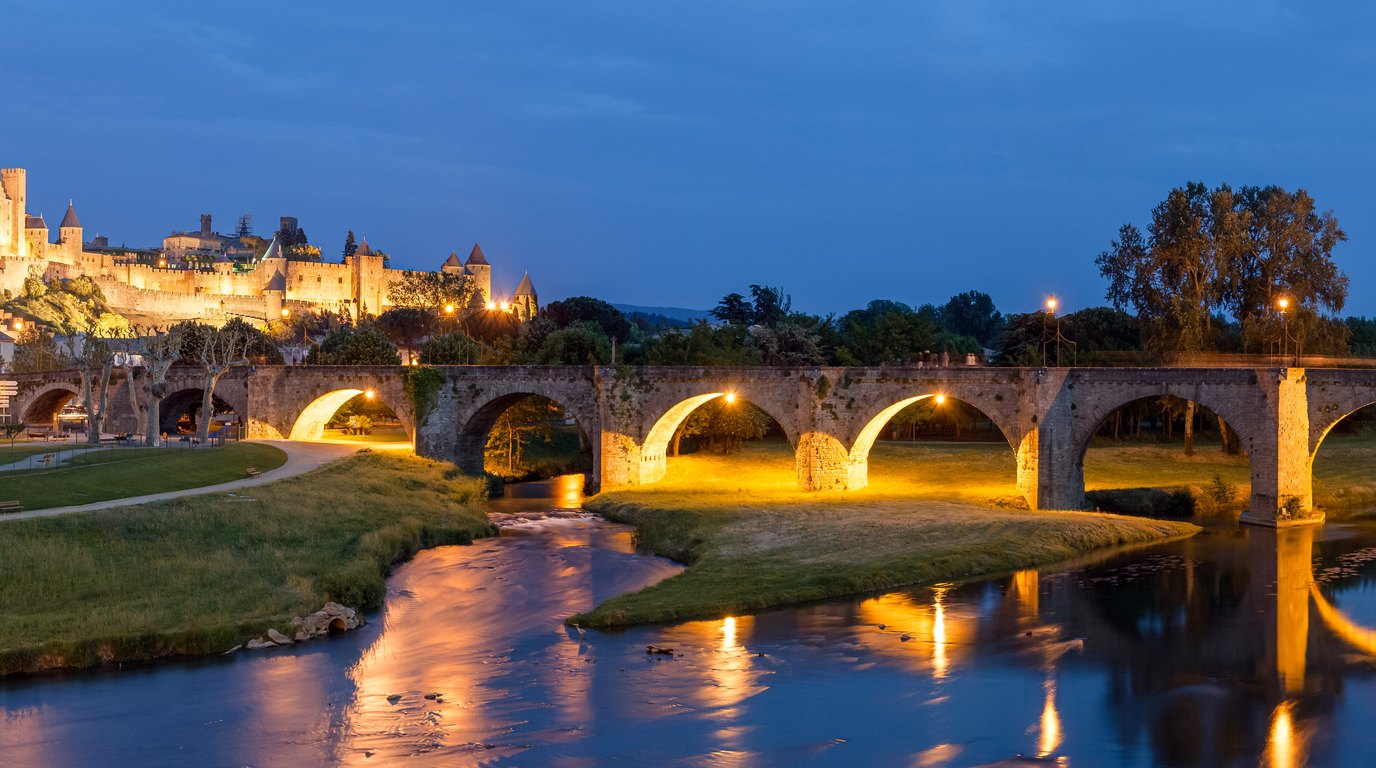
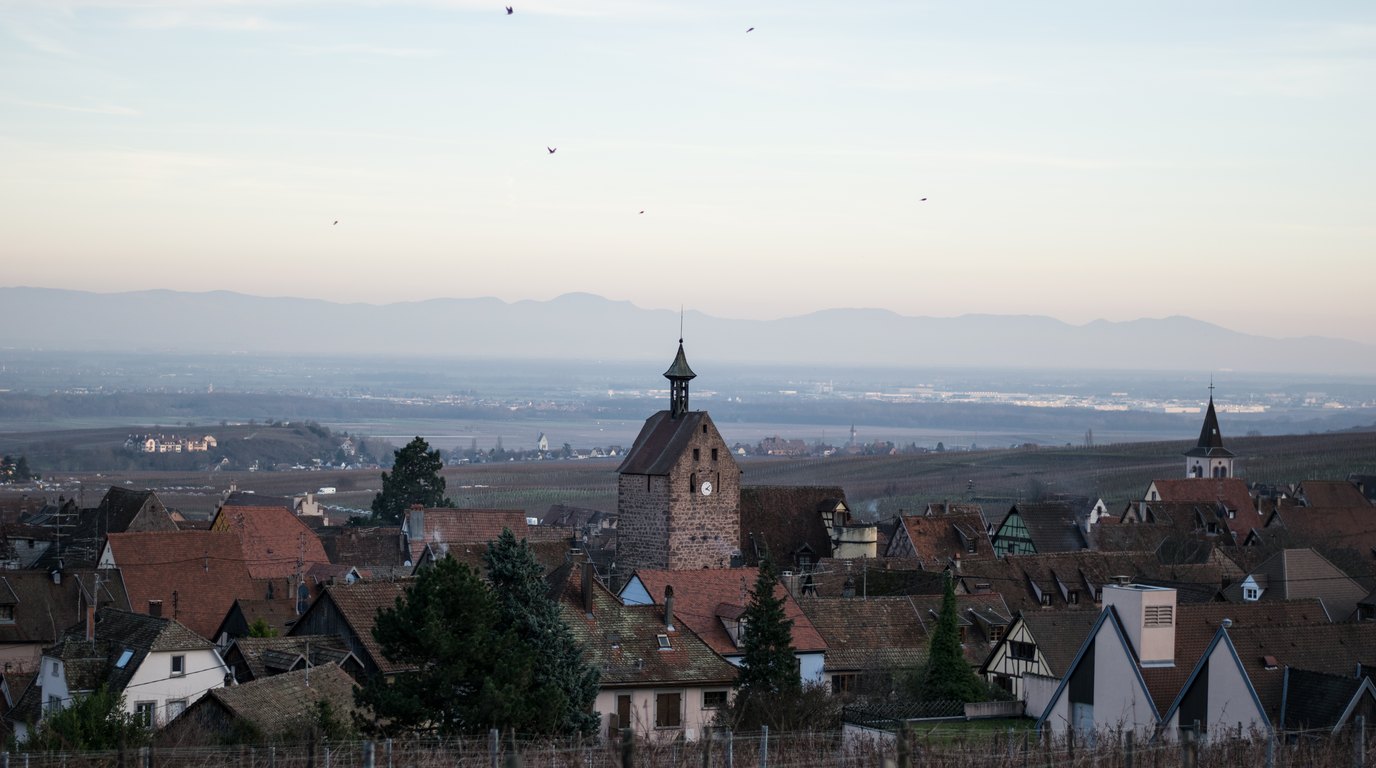
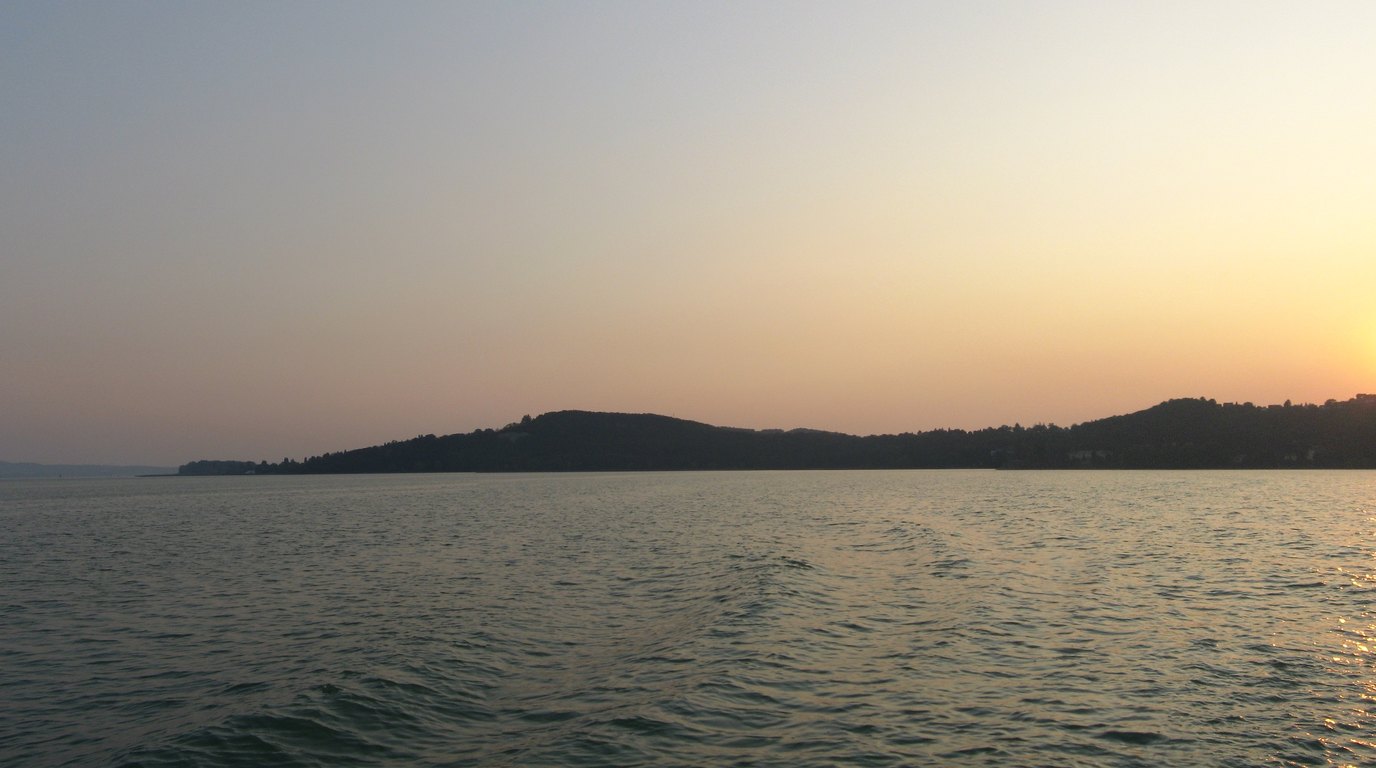
The map and GPX contain separate planning waypoints, not a driving route. Follow the itinerary for access to attractions and campsites.
Adria Compact
A compact semi-integrated model suits this route: between Bermeo and Mundaka and in the La Hermida gorge you drive narrow roads with oncoming traffic, and a shorter vehicle fits into the edge-of-town car parks in Santillana del Mar or Llanes without lengthy manoeuvring. The garage still takes bikes for the coastal paths around Llanes and Oyambre, where most of the sights are otherwise within walking distance of your pitch.
Get road trip ideas by email
Leave us your email and we will send motorhome inspiration and stock updates.
Adria Karavany · https://www.adriakaravany.cz/en/vylety/baskicko-kantabrie-picos-de-europa/