
Châteaux of the Loire and Versailles — the valley of kings
Chambord, Amboise, Chenonceau and Villandry sit so close along the Loire that you rarely drive more than half an hour a day. The rest of the day belongs to the gardens, to the cycle paths along the river and to dinner with goat cheese and a glass of white wine. Twelve days leave room for an unhurried drive out and back, and for Versailles on the way home — it is too far from the Loire valley for a day trip, but as the closing chapter of the journey it fits exactly.
Itinerary
West across Bavaria
From Prague you take the motorway towards Nuremberg and carry on into the south-west of Germany. It is a transit day, so leave the destination open and stop wherever you comfortably get to — the Stellplatz sites around Nuremberg or further towards Heilbronn are the obvious choice. Expect heavier traffic around both conurbations, and long stretches of narrowed lanes on this route in summer.
Into the Loire valley
On the second day you cross into France and head through Lorraine and Orléans into the Centre-Val de Loire region. Beyond Orléans you leave the motorway, and take the last stretch through the wooded Sologne gently — the roads are narrow and deer cross them towards evening. Your destination is Bracieux on the edge of the Chambord forest; after a full day of driving it pays to arrive while it is still light.
Chambord
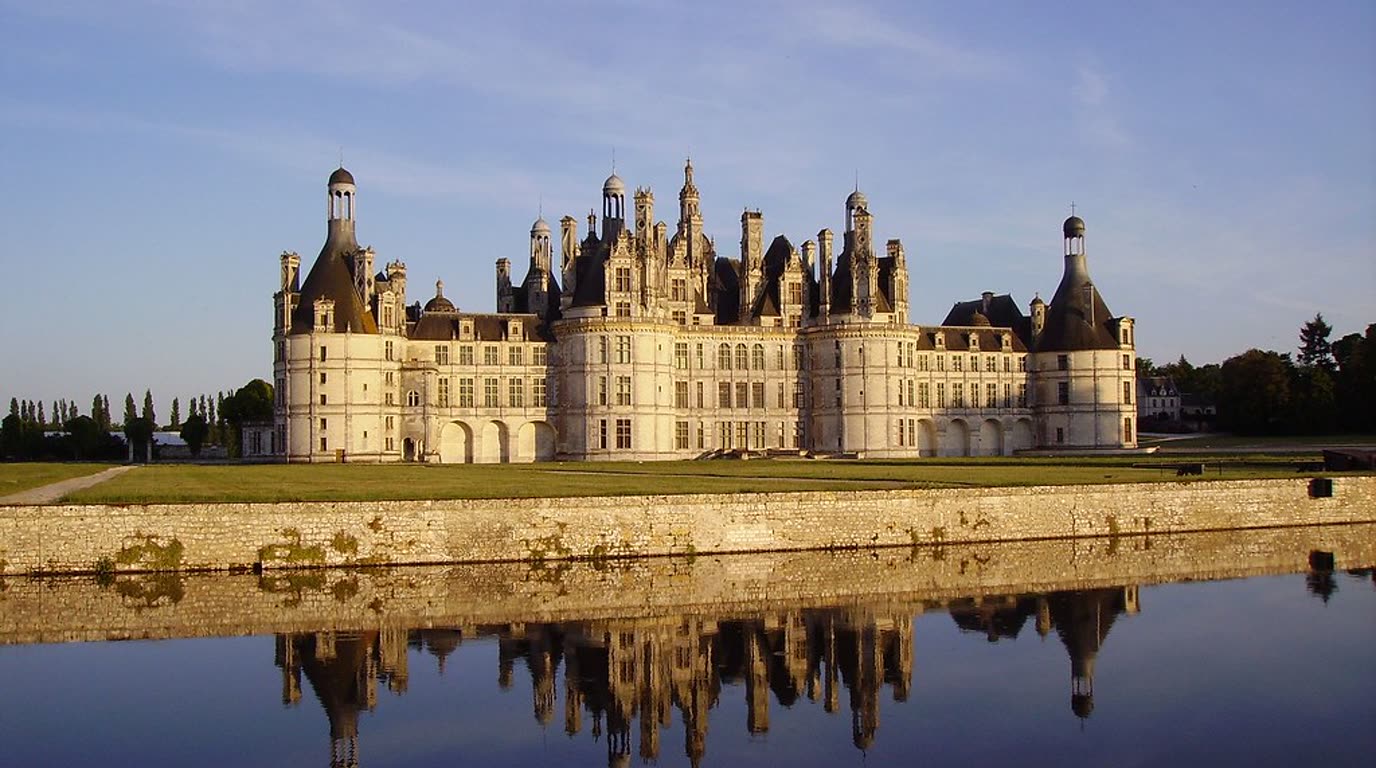
Chambord is the largest of the Loire châteaux and feels more like a hunting town than a house, with a double spiral staircase on which one person can climb while another descends without the two of them ever meeting. In the main season the château is open until roughly six in the evening, so even after lunch there is plenty of time for the interiors and the roof terraces. A forest cycle path leads from Bracieux to the gates, and the bike is far more pleasant here than moving the motorhome.
Blois and the wooded Sologne
Blois has its château right above the town and several architectural styles side by side in a single courtyard, from Gothic through Renaissance to Neoclassicism. In the afternoon it is worth driving down into the Sologne to Lamotte-Beuvron, the town associated with the creation of the tarte Tatin apple tart. The way back leads through forests and past ponds, a welcome change of pace after a morning in a château.
Amboise and Clos Lucé
The château at Amboise stands on a rock above the river and its terraces look far down the valley; the chapel holds the tomb traditionally regarded as that of Leonardo da Vinci. Just above the town lies Clos Lucé, Leonardo's last home, with models of his machines set out around the garden — children do not get bored here even after a third château in a row. The campsite on the island in the middle of the Loire is within walking distance, so you can head into town for dinner in the evening.
Chenonceau over the river Cher
Chenonceau arches directly across the river Cher, and its main room is a sixty-metre gallery built on the arches of the bridge above the water. In season the château and its gardens stay open until the evening, so the late afternoon tends to be calmer than a morning full of coach parties. From the campsite in Francueil you can reach the ticket office on foot along the river, or ride there by bike.
The gardens of Villandry
People come to Villandry not for the interiors but for the gardens: a vegetable parterre laid out in coloured squares, an ornamental garden with the themes of love, and a water garden above it all. The gardens are open all year round, the château takes a break in winter, but in the spring and autumn season you can see both. The light on the beds is at its best early in the morning and towards evening, when the colours of the vegetable parterre stand out most.
Tours and the vineyards of Vouvray
A day without a château: you can walk the old town of Tours, with its half-timbered houses around place Plumereau and the cathedral of Saint Gatien, in a single morning. The afternoon belongs to the vineyards of Vouvray, where the chenin blanc grape yields white wines from dry to sweet and the cellars are cut straight into the soft tuffeau rock. Stock up at the market — the goat cheese Sainte-Maure-de-Touraine, with a straw running through the middle, is the local classic.
Moving on to Versailles
You leave the valley heading north-east and bypass Paris on the outer ring — there is no sense in taking a motorhome any closer to the centre. Book the campsite in Versailles in advance, as it tends to be full in season. What is left of the day is enough for the palace gardens and park, which stay open longer than the palace itself and are free to enter on days without the fountain shows.
Versailles and the Trianon
The palace is open from Tuesday to Sunday and closed on Mondays — if your day happens to fall on a Monday, simply swap the programme with the gardens. Buy a timed ticket in advance, because the queue at the gate is long even outside the holidays. Leave the Trianon estate with the Queen's Hamlet for the afternoon; it only opens at midday and is an easy ride from the park by bike.
Back through Champagne and Lorraine
You set off east through Champagne and Lorraine and choose your overnight stop in Germany according to how the drive goes. If you still have the appetite for it, stop in Reims at the cathedral where French kings were crowned for centuries — it lies practically on the route. The rest of the day is driving, so allow yourself room for longer breaks.
Back to Prague
On the last day you drive home across Bavaria. If you set off in the morning from around Nuremberg, you are in Prague by lunchtime, with time left over to empty the tanks and clean the vehicle. Anyone in no hurry can make a final stop at one of the Bavarian lakes and split the journey into two halves.
Practical motorhome information
France has no vignettes; tolls are paid at the barriers according to the class of the vehicle. Up to 3.5 t: a vehicle lower than two metres travels in the cheapest class 1, while a motorhome higher than two metres falls into class 2 and pays noticeably more than a car — and that is the case with most of the vehicles sold. Over 3.5 t (or over three metres in height) you pay class 3, and with three or more axles class 4. You can pay by card or in cash; the lanes marked with an orange “t” are reserved for electronic tags (Ulys, Bip&Go). Germany you cross toll-free — German tolls apply to freight transport only. For the low-emission zone (ZFE) in the Paris conurbation you need a Crit'Air sticker — it comes to roughly four euros including postage and is ordered solely at certificat-air.gouv.fr, easily a month ahead; other French cities are introducing zones of their own, so check the current extent before you set off. The car park at Chambord has a rate of its own as well: motorhomes and vehicles over 2.10 m in height belong in P2 and pay around €15 per 24 hours, while the cheaper car parks are intended for cars and not for them.
Huttopia Les Châteaux, Bracieux — the closest to Chambord, with a service point for motorhomes and a forest cycle path to the château; open roughly from April to the beginning of November · Camping Municipal de l'Île d'Or, Amboise — on an island in the Loire opposite the château, walking distance from the centre; note that the site does not accept vehicles with a double rear axle · Camping Le Moulin Fort, Francueil — by the river Cher below Chenonceau, the château is within walking distance, and there is a dump point and drinking water on site · Camping La Mignardière, Ballan-Miré — between Tours and Villandry, with waste tank emptying; open roughly from April to the end of September · Huttopia Versailles, rue Berthelot in Versailles — the most sensible base for a motorhome near the palace, not far from a station on the RER C line
France has a dense network of municipal “aire de camping-car” stopovers, and in season you can also rely on France Passion at winegrowers, of whom there are plenty in Touraine. In the villages of the Loire valley, however, staying overnight outside a campsite or a designated aire is commonly forbidden, and in Versailles do not even consider it: parking a motorhome in the centre is practically impossible and sleeping in one is banned, so stay at a campsite and travel to the palace by train or by bike. At the château car parks, count on not being allowed to stay overnight, even where they are open to motorhomes during the day.
Huttopia Les Châteaux in Bracieux and Camping Le Moulin Fort in Francueil have service points of their own, where you can empty the waste tank and the cassette and take on drinking water; La Mignardière in Ballan-Miré also offers waste tank emptying. Between the châteaux it is worth knowing that the municipal aires along the Loire usually have a dump point and water for a small fee, often through a machine — keep euro coins to hand, as it is not always possible to pay by card there.
Stops along the route
You may also like
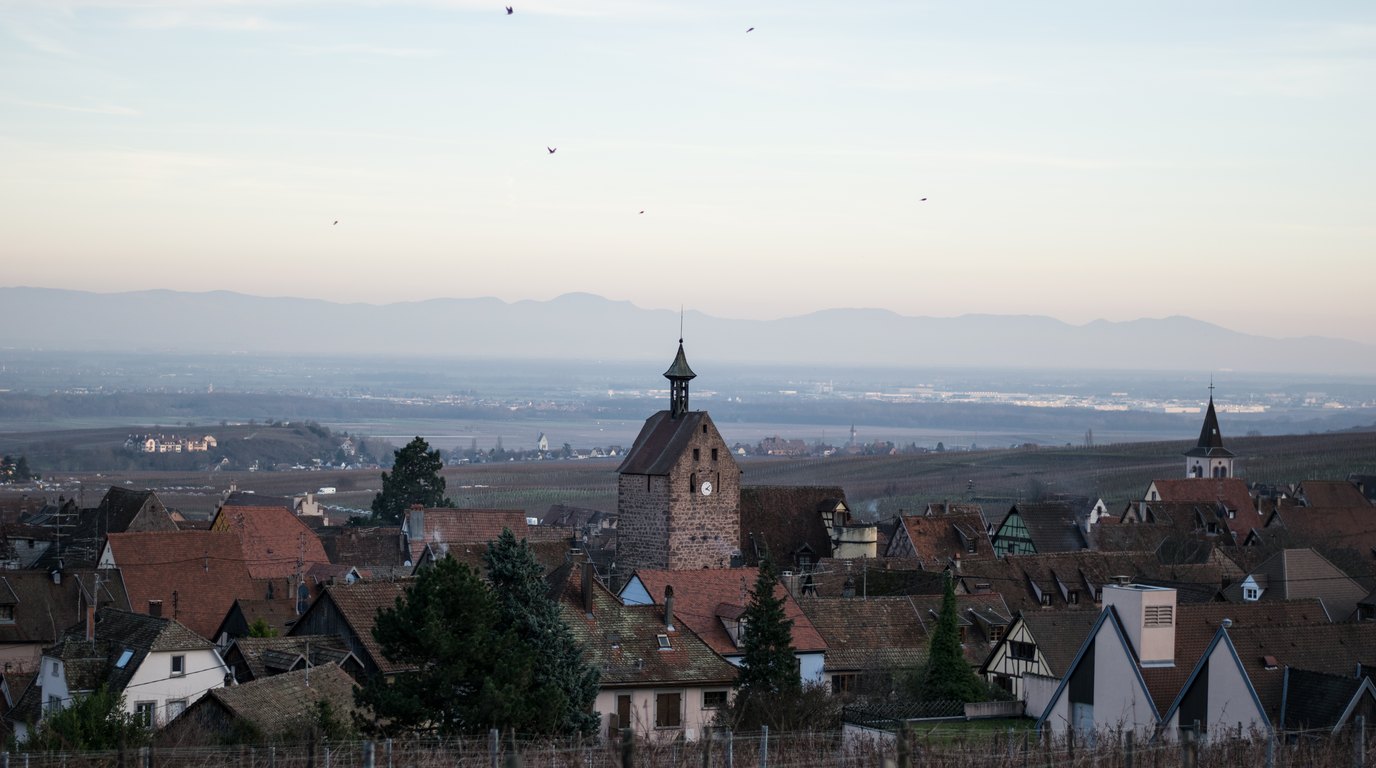
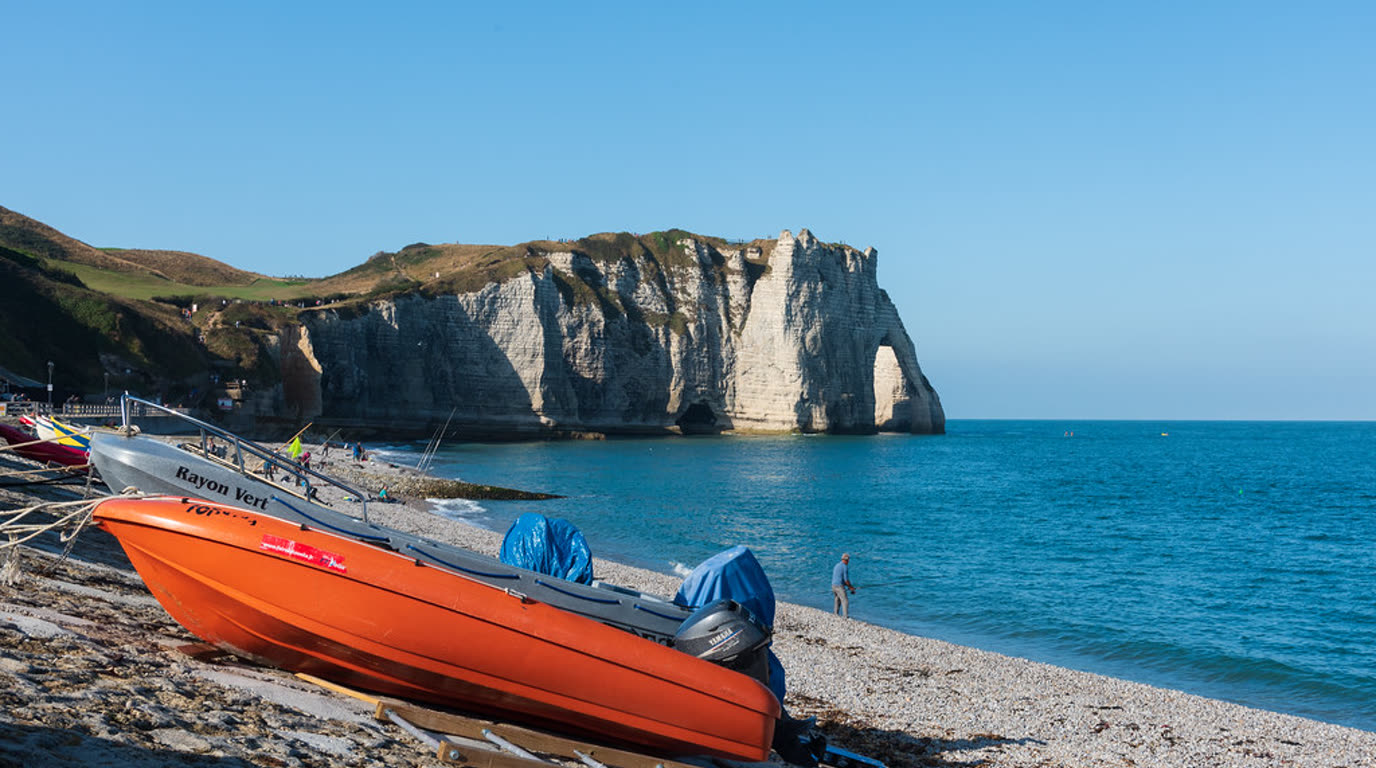
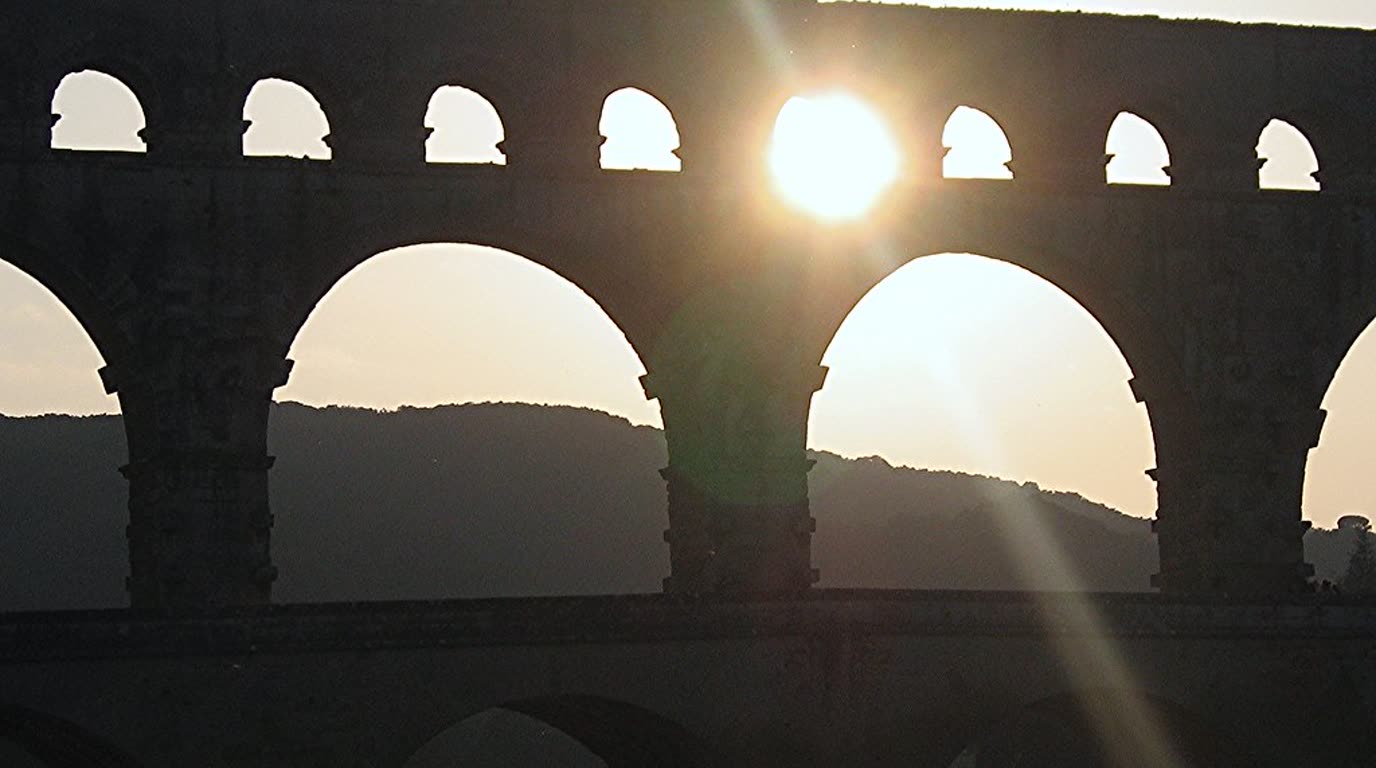
The map and GPX contain separate planning waypoints, not a driving route. Follow the itinerary for access to attractions and campsites.
Adria Coral
The nicest way to move between the châteaux is by bike, along the marked route beside the Loire, so a garage that takes bikes for the whole crew pays off — and that is exactly what the Coral offers. The base version usually stays under 3.5 t, which on French motorways means a cheaper toll class and fewer restrictions in the château car parks; with full equipment, though, keep an eye on the weight, as it may already call for a B96 licence.
Get road trip ideas by email
Leave us your email and we will send motorhome inspiration and stock updates.
Adria Karavany · https://www.adriakaravany.cz/en/vylety/zamky-na-loire-a-versailles/